

You hear declarations every year about the long-told “year of the Linux desktop” arriving this year, having arrived years ago, or maybe not ever arriving. I think it’s easier to predict, though, that inside the Linux world, 2026 is definitely KDE’s year to take.
KDE is meeting the Windows moment
More and more, Microsoft is encouraging everyday folks to leave its flagship product, Windows. The latest iterations of the ubiquitous operating system might as well be called Copilot OS. The LLM-based assistant is taking over the desktop, as if you need dinner party planning tips every time you open the Start Menu.
Plus, actual tons of computers are becoming obsolete thanks to Windows 10 reaching end-of-life. Upgrade or perish, a threat even more difficult to respond to given that PC prices are rising. Ironically, the gold rush for so-called AI that’s blowing up the consumer costs of PC hardware is one that Microsoft is gleefully perpetuating.
It’s high-time for a good Windows substitute to come along, and the default KDE Plasma desktop layout is traditional (compared to the likes of GNOME), not changing things too much from what you’re probably used to in Windows 10. Still, Plasma looks modern and distinct, so the experience doesn’t feel like a tired throwback or a cheap ripoff.
KDE is aware of the opportunity it has here, having embraced and extended the “End of 10” campaign in 2025. I’m looking forward to what kind of direct appeals to possible Windows migrants in 2026.
Plasma is getting popular in all the right places
As reported by a KDE contributor going by “pointieststick” or simply “Nate” in their blog Adventures in Linux and KDE, Plasma is increasing in visibility and availability across the Linux desktop scene. It’s become not only the default on the Steam Deck, but also SteamOS’ popular alternatives like Bazzite and CachyOS. The Plasma edition of Fedora Linux now stands next to the GNOME-sporting Workstation edition, and security-focused Parrot OS just dropped its default DE in favor of Plasma. KDE mania seems to be in the air.
You don’t have to go by what developers are doing with their distributions. Just look at the stats on which desktop environments Arch Linux users are downloading. Plasma has been on top and increasing its lead over other DEs for years.

Obviously, this chart is skewed in that it’s only accounting for the choices of folks running Arch Linux, people who tend to be power users. Still, it’s a striking trend that shows KDE with a lot of momentum.
KDE’s funding is through the roof
Like it or not, money makes the world go ’round, and the KDE organization has been getting an influx of the world-spinning substance. KDE ended the 2025 fundraising year having reached 386 percent of its funding goal: €385,947, close to $453,000 USD. You can fund a lot of open source development with that kind of dough.
Assuming the money KDE raised is managed well, we can expect significant improvements and expansions in the KDE scene. I’m crossing my fingers for apps that better compete with Adobe’s Creative Cloud suite, something that holds a lot of people back from switching to Linux.
This kind of funding points also points to grassroots excitement behind the project. According to KDE, 70 percent of its contributions come from private users, meaning it’s mostly individuals who are engaged and literally invested in the success of KDE. Those individuals are spreading the word to others, some of us here at How-To Geek included.

This is the Linux distro I recommend to every Windows user
Switching to Linux is not a painful process anymore.
KDE Linux is on the horizon
The momentum KDE has built looks like it might hit a crescendo in 2026 if it manages to release at least a beta version of KDE Linux. Announced in mid-2025, the KDE Linux distribution is meant to create the exact desktop experience that KDE developers intend. So far, we only have alpha releases to test, but I’m anticipating a beta release in the near future.
Once that happens, we’ll finally have a truly KDE-first Linux operating system that’s meant to be a daily driver desktop. New Linux distributions appear all the time, but if KDE Linux can deliver, the adoption of KDE Plasma I can see increasing a lot in 2026.

8/10
- Operating System
-
Kubuntu 24.04 LTS
- CPU
-
Intel Core Ultra 9 275HX (2.7GHz up to 5.4GHz)
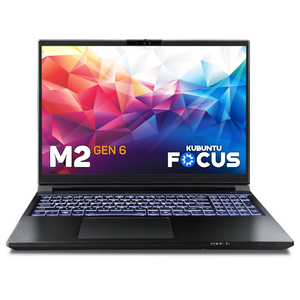
This laptop is purpose-built for developers and professionals who want a Kubuntu Linux-powered portable workstation and gaming platform. It features an Intel processor capable of hitting 5.4GHz and both integrated graphics and a dedicated NVIDIA 5070 Ti GPU for when you need extra power for machine learning or games.


