

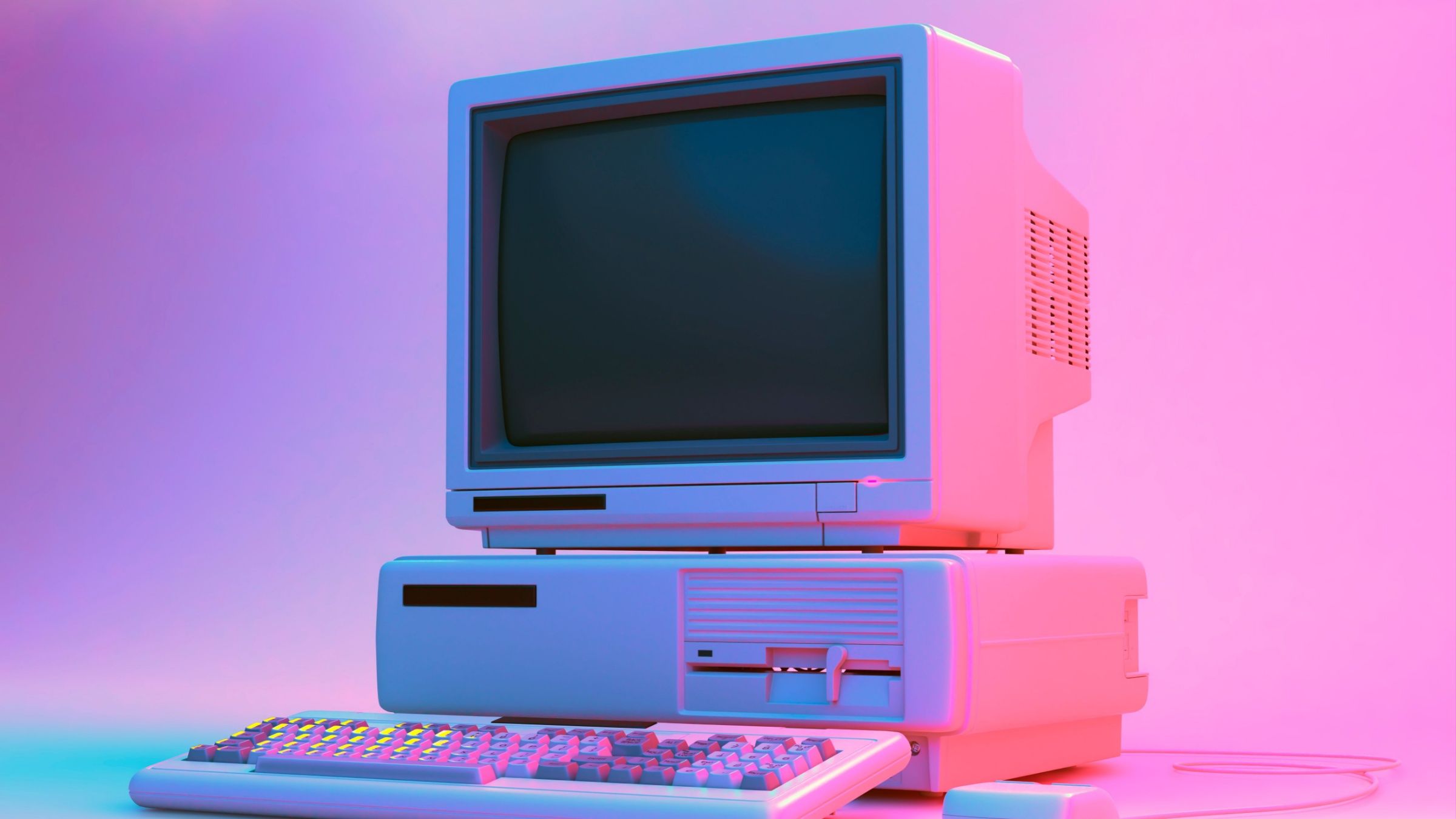
Today, downloading a free Unix-like system for a PC or a single-board computer like a Raspberry Pi is routine. In the late ’80s and early ’90s, as computer hardware improved, these systems brought Unix power down from minicomputers and workstations to the personal level before the arrival of Linux.
Xenix
Given how many Linux users love to hate Microsoft, you might be surprised that they actually created a Unix operating system. The then-upstart company was really thinking ahead when it licensed it from AT&T in the late ’70s. Since AT&T was barred under a consent decree from marketing Bell Labs’ OS that was making a splash in the computer science research community, Microsoft could release its own version. They just had to change the name. The company chose “Xenix.”
Not long after that, IBM wanted an operating system for their upcoming PC, so they licensed a CP/M clone created by a local company and the rest is history. Microsoft was still focused on Xenix as the future of computing, while even they admitted that MS-DOS was a quick-and-dirty hack. Their vision was MS-DOS for simple, single-user systems and Xenix for more advanced multitasking, multiuser work. Microsoft even added some Unix-like features to MS-DOS 2.0 to streamline the two products, pitching MS-DOS as the single-user version of Xenix in a 1983 magazine ad.
Al’s Retro Geek Labs shows what using Xenix was like:
The breakup of AT&T upended this plan as explained by Microsoft’s Gordon Letwin in a 1995 Usenet post. In exchange for losing its monopoly as “the” phone company in the US, AT&T was allowed to enter the computer industry, and that meant it could sell Unix in competition with Microsoft. Microsoft joined forces with IBM to create OS/2, transferred the Xenix intellectual property to a consultancy firm based in Santa Cruz, known as The Santa Cruz Operation, or SCO, and acquired a stake in the company.
Xenix was still popular because it ran on cheap PC hardware and was even used internally for development and server operations at Microsoft into the 1990s. It was particularly popular in small businesses due to its multiuser nature, as it allowed them to serve several users using text terminals from a single PC, which was more cost-effective than multiple machines at the time.
Despite the antagonism toward Linux and open source of the Steve Ballmer era at Microsoft, the company seems to have returned to the idea of Unix, this time in the form of Linux, as a high-end option with Azure and WSL.
A/UX
The modern macOS isn’t Apple’s first Unix-like system that runs on its Mac hardware. That honor would go to A/UX, first released in 1988. It was designed to appeal to technical users, such as scientists and engineers, who needed to run technical applications alongside productivity tools like spreadsheets and word processors. It was also designed to allow Apple to bid on certain US government contracts that specified Unix compatibility.
Action Retro has demonstrated what installing and using A/UX was like:
While A/UX got high marks for its blend of Mac ease-of-use and Unix power, it was probably too expensive to become an OS of choice for most users. With the transition from the 68K processor to PowerPC, Apple abandoned A/UX, though they did sponsor the development of the largely forgotten MkLinux. Unix would return to the Mac along with Steve Jobs with the release of Mac OS X.
Dell Unix
If you know where to look, you can buy a Dell machine pre-loaded with either Red Hat Enterprise Linux or Ubuntu. This wasn’t the first time the computer maker offered a Unix-like operating system for sale. In the early ’90s, it offered a version of System V. As with Xenix, its main selling point was that it ran on cheap PC hardware, particularly Dell’s, according to gunkies.org.
It also shipped with a lot of utilities that would become staples of Linux systems, including GCC, TeX, and Perl. Another selling point was its autoconfiguration, something that would also become common on Linux systems. Dell couldn’t compete with the popularity of Xenix for business systems, so Dell Unix was discontinued, but as with Xenix it would influence later Linux systems.
SunOS on the Sun 386i
While Sun was known for its 68K and SPARC-based workstations and servers, the company also released an Intel 386-based system, the Sun 386i. While it primarily ran Sun’s version of Unix, then called SunOS, it also used VP/ix to run MS-DOS programs, which was similar to the WINE of its day. It took advantage of the 386’s virtual 8086 mode to run more than one DOS app at a time, something that OS/2 couldn’t do at the time.
The 386i and the OPEN LOOK desktop were demonstrated on a 1989 episode of the PBS show, The Computer Chronicles, the same year Bytegave it an “Excellence” award:
Sun discontinued the machine to focus on its own line of SPARC workstations, after cancelling a proposed 486 version that had advanced to the prototype stage. Sun would release Solaris for x86, with Tribblix being a modern successor you can use today.
Amiga Unix
The Commodore Amiga was a revolutionary machine with graphics and sound that seemed ahead of its time, but the platform appeared to be cursed with bad management. One good idea was creating a version of Unix that ran on the machine, dubbed Commodore Unix. This was a version of System V, paired with a modified version of the Amiga 3000, the 3000UX.
Amiga Unix did attract some fans. Virginia Tech made purchasing the machines mandatory for its computer science students (who had to resort to buying used ones off of alumni after Commodore went bankrupt). As with other Unixes running on low-end hardware of the era, reviewers criticized it for sluggish performance as well as not taking advantage of Amiga hardware. Unlike with A/UX, you couldn’t run conventional Amiga apps in Amiga Unix, but you could dual-boot AmigaDOS and Unix, similar to a modern dual-boot Linux and Windows system, as seen in the above video.
BSD/OS
Sun wasn’t the only company to see that the 386 processor was a turning point for the PC platform. Several developers of the Berkeley Software Distribution of Linux formed BSDI to release a version for PCs. While the BSD source code was open, they could make proprietary versions like BSD/OS by just crediting the authors.
Unfortunately, BSDI was hit by a lawsuit by Unix System Laboratories, or USL, who were the owners of the original Unix source code at the time, claiming copyright infringement. While this was eventually resolved, Linux and the other BSDs, including FreeBSD and NetBSD had vaulted far ahead.
While many of these systems have fallen into history, they linger on in the design of modern open source OSes like Linux. You can see how many supposedly “new” ideas have roots in software that’s decades old.


