

Choosing the right smartphone case isn’t just a simple matter of picking your favorite color. With so many options on the market, from hard shells, soft shells and others, it helps to understand what differentiates them. From materials like polycarbonate and TPU to design features like kickstands or built-in wallets, the type of case you choose affects protection, aesthetics and everyday usability. So here’s a quick breakdown of the major types of smartphone cases.
1. Hard Shells
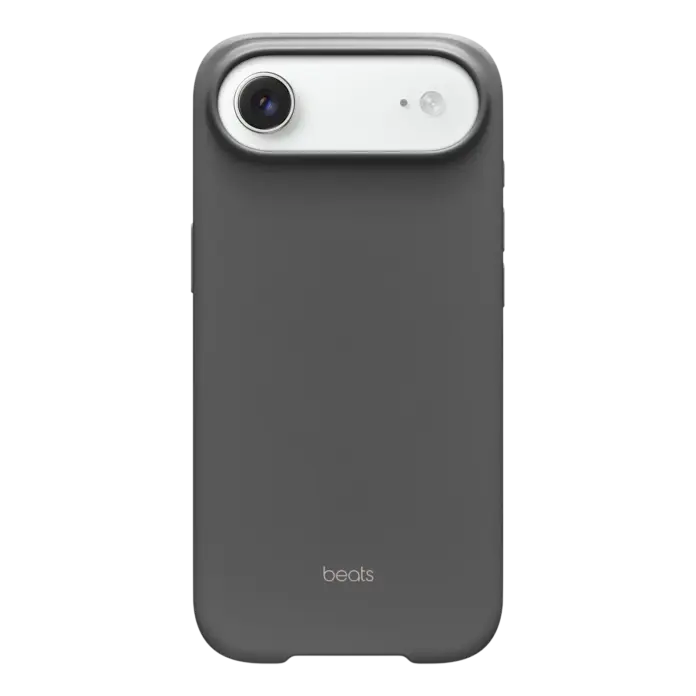
Hard Case
Hard shell cases are typically made from strong plastics such as polycarbonate (PC) and often combine this with a softer inner layer for impact absorption. These cases are known for their durability, minimal flex and ability to resist scratches and accidental dings. These rigid polycarbonate protective covers offer structural strength while still letting wireless signals pass through without interference.
However, the trade-off is that hard shells can feel rigid in the hand and may not absorb shocks as well as softer materials. If your priority is maintaining the slim profile of your phone while keeping it protected from everyday abuse, a hard shell style is a strong choice.
2. Soft Cases
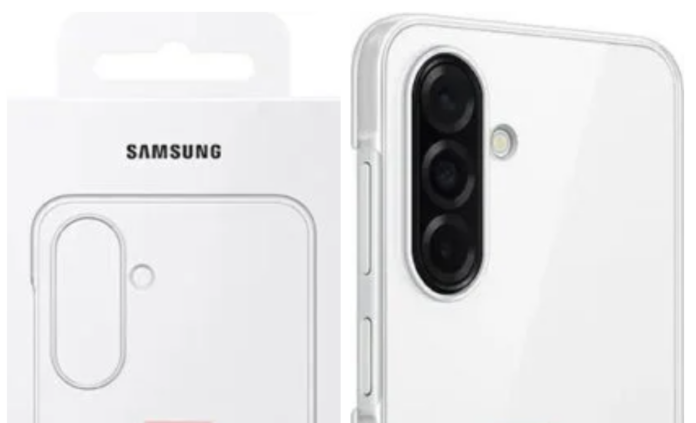
Silicon Case
Flexible cases are by far one of the most popular cases in the market. These use materials like thermoplastic polyurethane (TPU), silicone or a soft rubbery blend that prioritize grip and shock absorption. These types are described as offering good impact protection thanks to their softer material that can flex and disperse the energy of a drop.
Because they fit snugly, they are great for users who drop their phone often. The downside may be that they can attract dust or become stretched over time, and they often feel thicker. Some of the transparent options even struggle with discoloration that makes them turn yellow. But for regular protection that prioritizes function over fashion, flexible bumper-style cases are a practical pick.
3. Wallet Cases
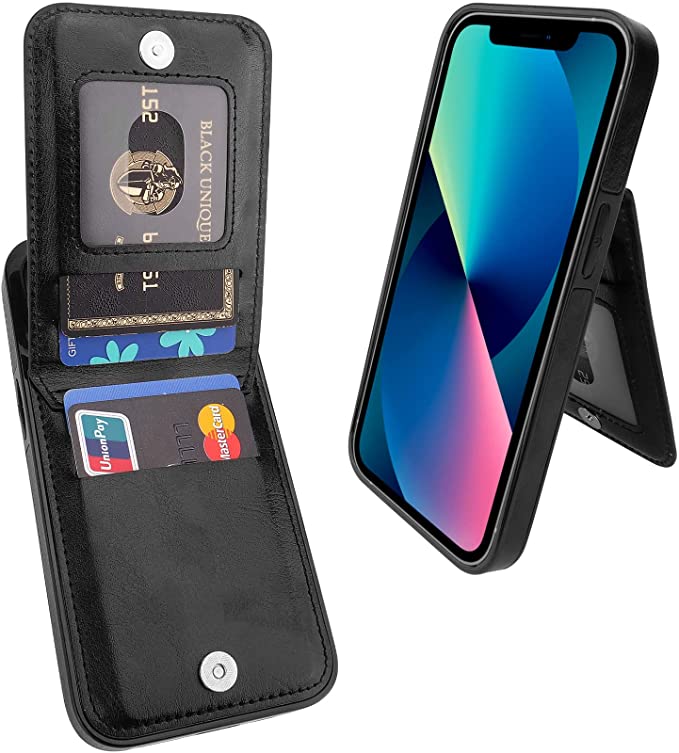
Wallet Case
Wallet or folio cases open like a book and often include extra features such as card slots, cash pockets or even a stand mode. These are popular among the more mature crowd who wish to minimize the number of items in their pocket or get rid of a wallet for an all-in-one case. These tend to be made from faux or real leather, and their design blends protection with accessory-style utility. Real leather cases offer a premium look and feel. While these do look elegant, they aren’t as great for protection as bulkier rugged cases.
4. Rugged Cases
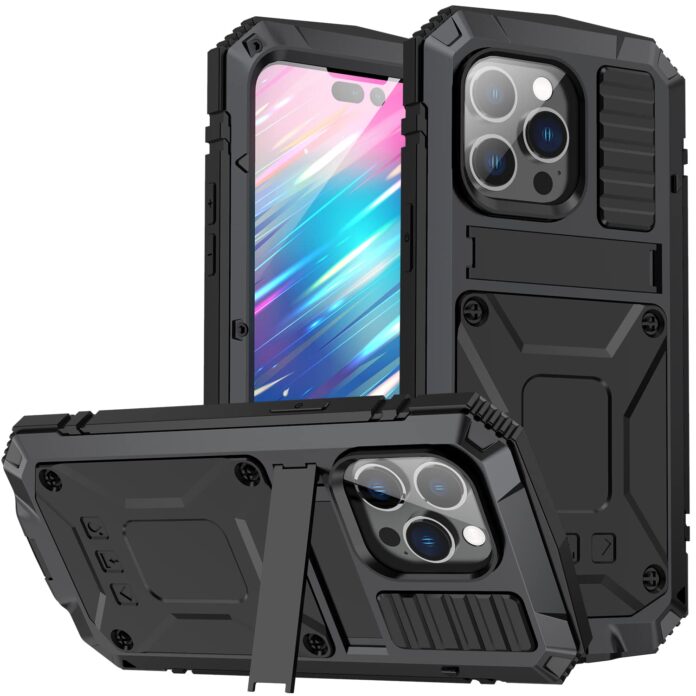
Rugged Case
For users who demand maximum protection, a rugged case is designed to offer the best possible protection. These are suited for people working in rough environments, outdoors, and are even popular for those who want peace of mind. These often combine a hard outer shell and soft inner layer, reinforced corners, raised camera lips and sometimes built-in screen protectors.
Most robust units use a combination of a hard outer shell plus a soft sleeve, often TPU inside polycarbonate frames. The drawback with these cases is the noticeable bulk being added to your phone that basically mask the original design of your smartphone.
5. Specialty Cases
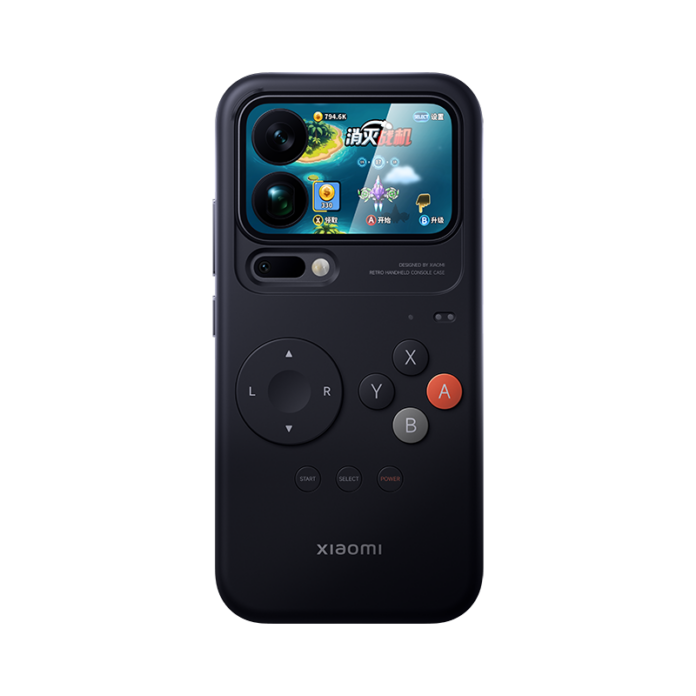
XIaaomi 17 Pro series retro handheld case
Beyond protection, cases today also serve as style statements or add other nifty functions. Some of the feature Materials like wood, metal, carbon fibre and aramid fibre are increasingly used to give phones a unique look and feel.
You even get fun options like the retro handheld console case for the Xiaomi 17 Pro, which helps turn the typical protective cover into a functional retro controller. These might not always offer the best protection, but these make up for it with aesthetic or material value.
For more daily updates, please visit our News Section.
Tech enthusiast? Get the latest news first! Follow our Telegram channel and subscribe to our free newsletter for your daily tech fix! ⚡


