

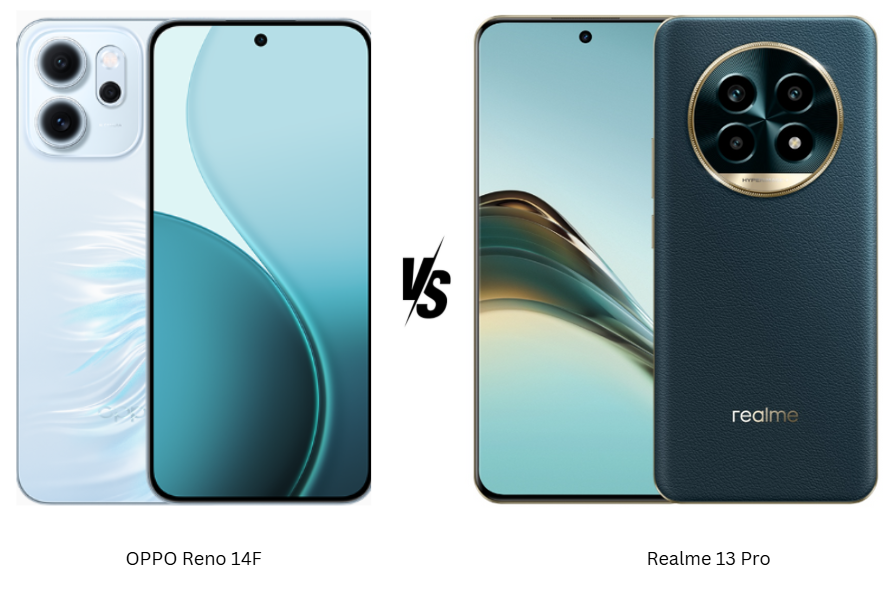
Oppo Reno 14F 5G and Realme 13 Pro are two feature-packed midrange smartphones priced around $500, targeting users who want flagship-like features without a premium price tag. With both brands offering strong display tech, capable cameras, and large batteries, choosing between them isn’t straightforward. This comparison matters because while they seem similar on paper, they take different approaches to performance, durability, and camera versatility, making the right pick dependent on what you value most.
1. Design and Display

OPPO Reno 14F
Build and Feel:
The Oppo Reno 14F 5G brings a distinct advantage in durability with its IP68/IP69 rating, offering full dust protection and resistance to high-pressure water jets. This is a rare inclusion in the midrange category and makes the device feel purpose-built for rugged, everyday use. Its sleek design and matte back enhance grip and lend it a premium in-hand feel. Meanwhile, the Realme 13 Pro features an IP65 rating, which is adequate for splash resistance but doesn’t match the protection level offered by Oppo. The Realme’s Gorilla Glass 7i adds resilience to front-facing damage, but the overall construction feels slightly more conventional compared to the Reno 14F’s rugged approach.
Verdict: The Oppo Reno 14F 5G clearly takes the lead in durability and real-world protection, offering a stronger build that makes it better suited for harsh environments or users seeking longevity.
Display Quality:
Both phones feature AMOLED panels with support for 1 billion colors and a 120Hz refresh rate, ensuring smooth visuals. However, the Realme 13 Pro steps ahead with its larger 6.7-inch display and an impressive 2000 nits peak brightness, which significantly boosts visibility in bright outdoor conditions. It also supports HDR playback, enhancing video quality with deeper contrasts and richer colors. The Reno 14F 5G has a slightly smaller 6.57-inch display and tops out at 1400 nits brightness, which is still excellent, but falls short compared to Realme’s output under intense light. Oppo’s AGC Dragontrail protection is robust but doesn’t quite match the HDR support and luminance of Realme’s panel.
Verdict: The Realme 13 Pro emerges superior in display quality due to its HDR capabilities and higher brightness, making it more appealing for media enthusiasts and outdoor users.
Please Note: When you buy something using the links in our articles, we may earn a small commission at no cost to you.
2. Specifications
Realme 13 Pro
Performance:
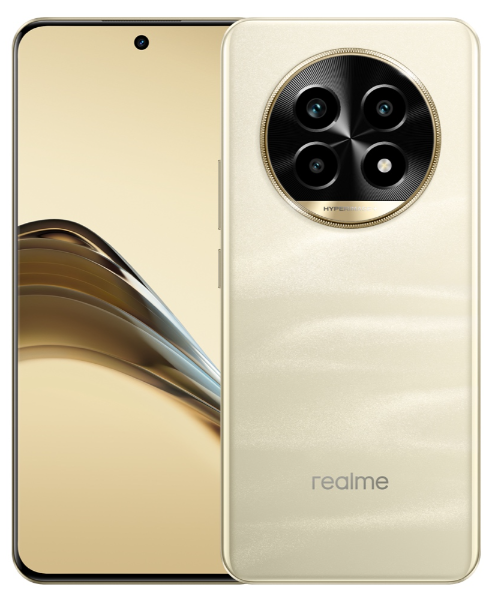
Under the hood, the Realme 13 Pro is powered by the Snapdragon 7s Gen 2, a more advanced chip compared to the Snapdragon 6 Gen 1 found in the Oppo Reno 14F 5G. With higher CPU clock speeds and the same 4nm architecture, Realme delivers smoother multitasking and better thermal efficiency during sustained workloads. The performance edge becomes more visible when handling games, background apps, or AI-assisted tasks. While both phones utilize the Adreno 710 GPU and offer UFS 3.1 storage, Realme’s slightly newer processor translates into better everyday speed and future-proofing for app compatibility.
Verdict: The Realme 13 Pro holds the upper hand in performance, offering a more fluid user experience for those who prioritize speed and processing strength.
Battery and Charging:
The Reno 14F 5G impresses with a massive 6000mAh battery, significantly larger than the 5200mAh unit on the Realme 13 Pro. Despite both supporting 45W fast charging, the larger cell on the Reno results in noticeably longer endurance, stretching well into two-day usage territory for moderate users. Realme’s device does charge slightly quicker to 50% in just 27 minutes, thanks to software optimization, but the overall battery life still tilts in Oppo’s favor. Moreover, Reno supports reverse wired charging, adding a practical benefit in emergency scenarios, a feature Realme lacks.
Verdict: Oppo Reno 14F 5G stands out in the battery department with longer-lasting power and reverse charging, making it ideal for users needing consistent battery reliability.
3. Camera

OPPO Reno 14F
Main and Secondary Lenses:
Both devices carry a 50MP primary sensor with optical image stabilization and an 8MP ultrawide camera. However, the Reno 14F adds a 2MP macro lens and a dedicated color spectrum sensor, enhancing its versatility in different shooting environments. Realme focuses more on quality over quantity with its dual-lens setup, and its newer image signal processor ensures slightly crisper images and better low-light output. Still, Reno’s broader camera range allows for macro photography and improved color accuracy in mixed lighting, giving users more creative flexibility.
Verdict: While Realme delivers sharper photo quality overall, the Oppo Reno 14F offers greater versatility with more lenses and better adaptability for varied shooting needs.
Selfie Camera:
Both smartphones feature a 32MP front camera, but the Reno 14F gains a notable advantage with autofocus support. This allows it to consistently lock onto faces and deliver sharper selfies, especially useful for group shots or vlogs. Realme’s fixed-focus camera performs well in bright conditions, but it struggles with focus accuracy in complex frames or at varying distances. Oppo’s slightly wider aperture and enhanced focusing abilities improve overall selfie clarity and usability.
Verdict: The Oppo Reno 14F offers a superior front camera experience, especially for users who value sharp, focused selfies and video clarity.
4. Pricing
Realme 13 Pro
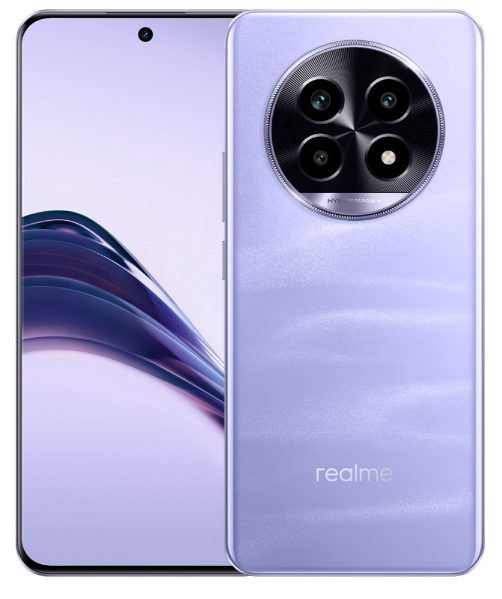
Both smartphones are priced at approximately $500, putting them squarely in the premium midrange bracket. Realme offers more internal storage options, starting from 128GB, which could slightly reduce the base price in certain regions. However, it lacks a microSD card slot.
The Oppo Reno 14F starts at 256GB and provides a microSDXC slot, which offers added flexibility for those who prefer expandable storage over higher upfront internal storage. While Realme might attract users with more initial configurations, Oppo provides better long-term value for users with evolving storage needs.
Verdict: Both phones cost around $500, but the Reno 14F offers greater value with expandable storage, while Realme gives more tiered options for internal storage buyers.
5. Conclusion

OPPO Reno 14F
The Oppo Reno 14F 5G distinguishes itself with a rugged IP68/IP69 rating, a massive 6000mAh battery, microSD card support, and autofocus in the selfie camera, all of which contribute to a practical, feature-rich experience. These additions make it ideal for users who prioritize endurance, durability, and versatility in imaging. On the other hand, the Realme 13 Pro appeals more to performance-focused users. Its Snapdragon 7s Gen 2 processor, HDR10-certified display with 2000 nits brightness, and refined image output make it a compelling pick for media consumption and smooth multitasking.
Verdict: The Oppo Reno 14F 5G is the better choice for users needing all-day battery, rugged design, and camera versatility. The Realme 13 Pro, however, is a more suitable option for those who value display brilliance and a snappier chipset.
Both offer solid value at $500, but their appeal depends on what matters more: endurance and practicality or performance and visual excellence. Ultimately, the Oppo Reno 14F 5G offers a more well-rounded package for most users.
Read More:


