

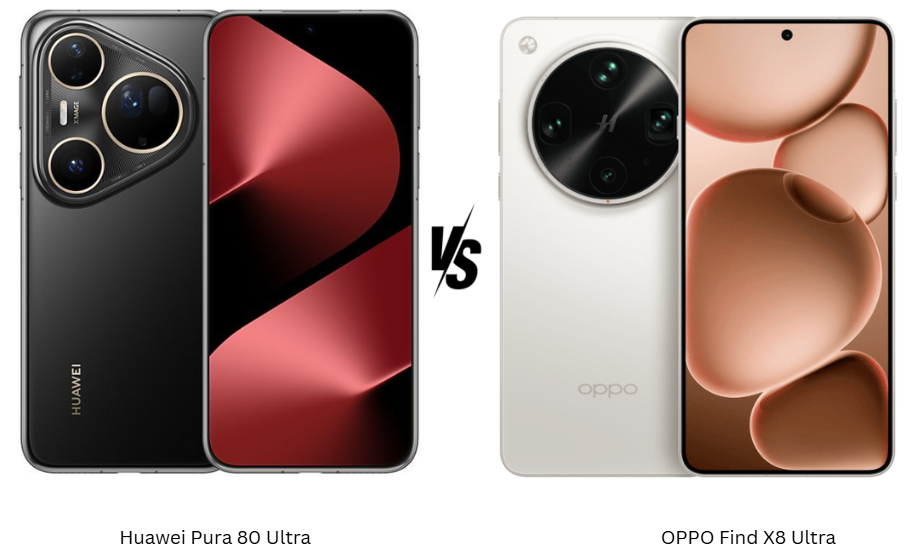
Huawei Pura 80 Ultra and Oppo Find X8 Ultra represent two of the most advanced flagship smartphones of 2025, each targeting users with distinct priorities. While Huawei focuses on durability, extreme zoom photography, and premium design, Oppo emphasizes performance, display quality, and value. This comparison is important as both devices push boundaries in different directions, offering buyers a clear choice between cutting-edge camera innovation and all-around flagship efficiency.
1. Design and Display
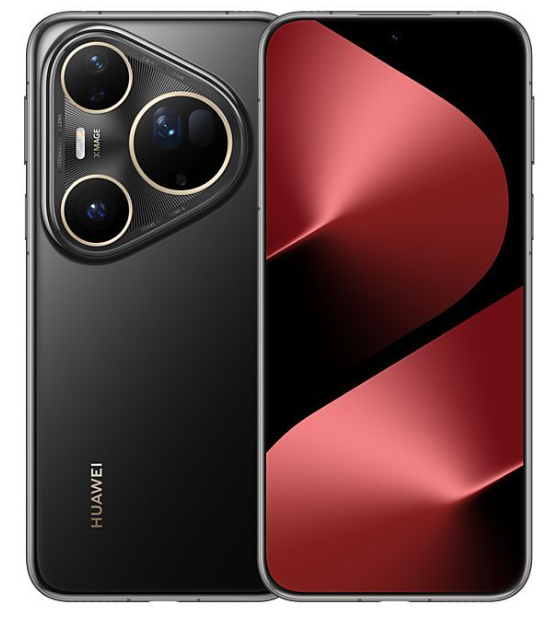
Huawei Pura 80 Ultra
Build and Feel:
The Huawei Pura 80 Ultra and Oppo Find X8 Ultra both deliver premium builds with glass and metal, offering durability with IP68/IP69 water resistance. Huawei leans on its Kunlun Glass 2 protection, known for high toughness, while Oppo uses Gorilla Glass but doesn’t specify the version. Huawei also offers a slightly slimmer profile, while Oppo’s weight balance and refined edges give it a sleeker in-hand feel. Overall, Huawei emphasizes rugged strength, while Oppo focuses on modern elegance.
Verdict: Huawei is better for durability, while Oppo feels slightly more refined.
Display Quality:
Huawei’s 6.8-inch LTPO OLED pushes brightness up to 3000 nits peak with HDR Vivid, ensuring excellent outdoor visibility. Oppo counters with a 6.82-inch LTPO AMOLED that supports Dolby Vision, HDR10+, and Ultra HDR with 2160Hz PWM dimming, making it more eye-friendly and color-accurate for content streaming. Oppo also has a higher resolution at 1440p compared to Huawei’s 1276p. Huawei excels in raw brightness, while Oppo delivers better overall versatility and visual quality for multimedia.
Verdict: Oppo wins in display quality due to higher resolution and broader HDR standards.
Verdict:
The Huawei Pura 80 Ultra is tougher with stronger protective glass, while the Oppo Find X8 Ultra provides a more refined multimedia experience with sharper visuals and Dolby Vision. For everyday durability, Huawei edges ahead, but for display brilliance, Oppo takes the crown.
2. Specifications
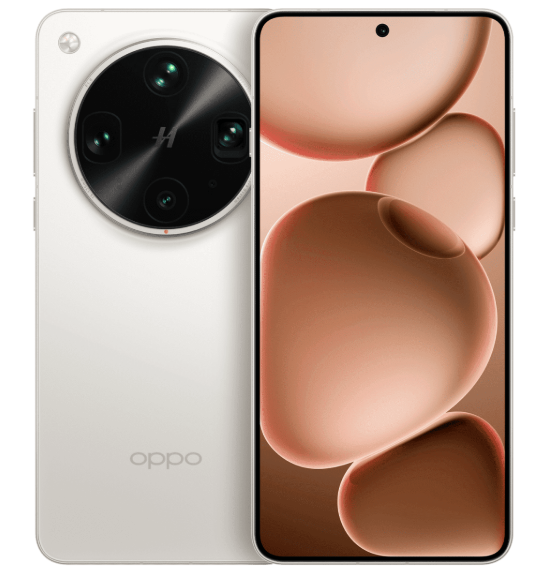
OPPO Find X8 Ultra
Performance:
The Huawei Pura 80 Ultra runs on the Kirin 9020 chipset, which is competitive but limited by its 7nm process. Oppo Find X8 Ultra, powered by the Snapdragon 8 Elite (3nm), delivers cutting-edge performance with stronger efficiency, better gaming, and AI capabilities. Oppo also benefits from UFS 4.1 storage speeds, while Huawei focuses more on large RAM configurations. For demanding apps, gaming, and future-proofing, Oppo is significantly ahead.
Verdict: Oppo has a clear performance advantage.
Battery and Charging:
Huawei equips its international model with 5170 mAh and the Chinese variant with 5700 mAh, paired with 100W wired, 80W wireless, and versatile reverse charging. Oppo includes a larger 6100 mAh battery, promising longer endurance, with 100W wired and 50W wireless. However, Huawei still has the edge in faster wireless and reverse charging speeds. For longevity, Oppo’s bigger cell helps, but Huawei is more versatile with charging options.
Verdict: Oppo lasts longer, Huawei charges faster.
Verdict:
The Oppo Find X8 Ultra dominates in raw performance with its Snapdragon platform, while Huawei emphasizes balanced charging convenience and slightly higher reverse power support. Performance hunters will lean towards Oppo, while those who value versatile charging may prefer Huawei.
3. Camera
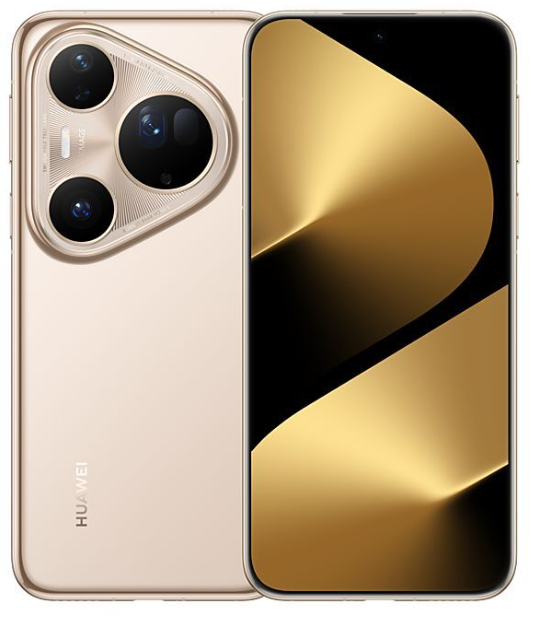
Huawei Pura 80 Ultra
Main and Secondary Lenses:
Huawei Pura 80 Ultra packs a 1-inch primary sensor and two strong periscope lenses, one at 3.7x and another at 9.4x optical zoom, making it one of the most versatile zoom setups on the market. Oppo’s system also impresses with dual periscope telephotos (3x and 6x), Hasselblad color tuning, and equally strong stabilization. Huawei’s ultra-telephoto at 212mm gives it a unique advantage for extreme zoom clarity, but Oppo’s Hasselblad processing offers more consistent, natural tones across scenarios.
Verdict: Huawei leads in extreme zoom, Oppo in color accuracy and versatility.
Selfie Camera:
Huawei uses a 13MP ultrawide with autofocus, offering a wide perspective and flexibility for group selfies. Oppo counters with a sharper 32MP sensor with PDAF, producing cleaner detail and more natural depth in portraits. For content creators, Oppo offers better detail, while Huawei provides more flexibility with the ultrawide field of view.
Verdict: Oppo edges ahead with sharper selfies, though Huawei’s wide-angle has its uses.
Verdict:
The Huawei Pura 80 Ultra dominates with unmatched zoom capabilities, while the Oppo Find X8 Ultra shines in color science and front camera quality. Power zoom users should choose Huawei, but Oppo is more balanced for photography enthusiasts.
4. Pricing
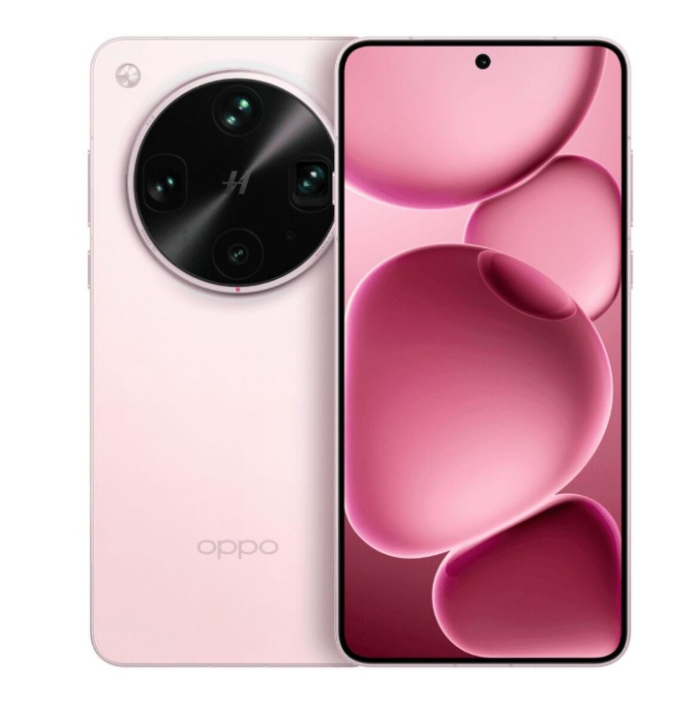
OPPO Find X8 Ultra
The Huawei Pura 80 Ultra is priced around $1500, while the Oppo Find X8 Ultra costs about $1000. For $500 less, Oppo delivers a more powerful processor, excellent display, large battery, and strong camera system. Huawei justifies its higher price with unique zoom capabilities, stronger glass, and faster wireless charging.
Verdict: Oppo offers far better value for money, while Huawei is aimed at premium buyers seeking durability and zoom superiority.
Disclaimer:
Prices are approximate and may vary based on country, region, and applicable taxes.
5. Conclusion
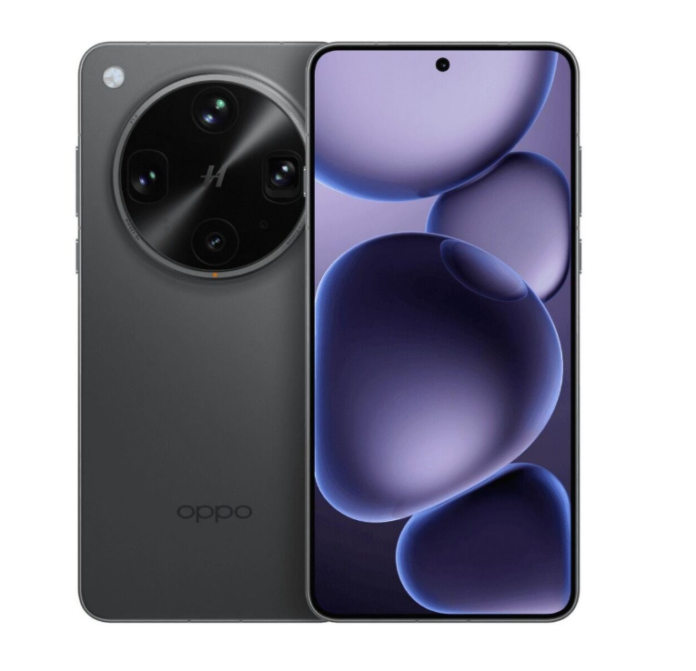
OPPO Find X8 Ultra
Huawei stands out with BDS satellite calling/messaging (China only), Kunlun Glass 2 durability, and its rare dual periscope zoom combination, giving it strong niche appeal. Oppo’s uniqueness lies in Snapdragon 8 Elite performance, Hasselblad color tuning, satellite SOS messaging, and Ultra HDR display support. Both target different strengths, Huawei with zoom and toughness, and Oppo with raw power and multimedia.
Verdict:
Huawei Pura 80 Ultra is ideal for those who prioritize extreme photography zoom, rugged glass protection, and versatile charging. The Oppo Find X8 Ultra, at a much lower price, is the smarter choice for users seeking top-tier performance, display quality, and balanced camera output.
For most users, Oppo provides better value, while Huawei appeals to those who want premium exclusivity and camera innovation.
Read More:


