

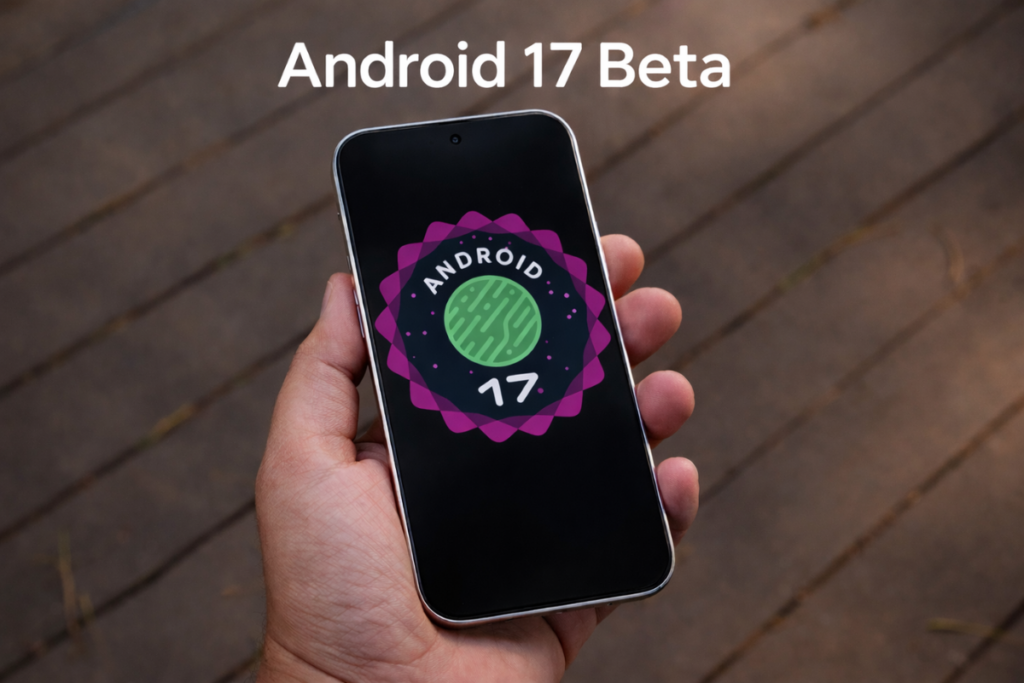
Just three days ago, Google confirmed that Android 17 Beta 1 is coming, and now it’s here. We weren’t expecting the first beta to be released so quickly, but it’s here with improvements to privacy, security, and performance. There are some significant changes as well, which we’ll discuss in the article, along with the eligible devices list and installation steps.
Which devices are eligible for Android 17 beta?
Google Pixels are the first in line to receive the latest beta update, and this year is no different. For now, Android 17 Beta 1 is available for Google Pixels, and it will soon be available on devices from other brands.
So, here’s a list of Google Pixel devices eligible for Android 17 beta:
- Pixel 6
- Pixel 6 Pro
- Pixel 6a
- Pixel 7
- Pixel 7 Pro
- Pixel 7a
- Pixel Tablet
- Pixel Fold
- Pixel 8
- Pixel 8 Pro
- Pixel 8a
- Pixel 9
- Pixel 9 Pro
- Pixel 9 Pro XL
- Pixel 9 Pro Fold
- Pixel 9a
- Pixel 10
- Pixel 10 Pro
- Pixel 10 Pro XL
- Pixel 10 Pro Fold
In short, if you have a Pixel 6 or older, you can install the Android 17 Beta 1 build and get a taste of the latest features and all the upgrades without waiting months for the stable rollout.
How to install Android 17 Beta 1 on Google Pixels?
If your Google Pixel is running Android 16 QPR3 Beta 2.1 and you haven’t exited the beta program, you should automatically receive the Android 17 Beta 1 update. The update should be available at Settings > System > Software Updates > System Updates. Other users should follow the process as mentioned below.
If you’re not already part of the beta program, visit google.com/android/beta and “Opt in” on your selected device. Make sure you’re logged into the website with the same Google account. After opting in, you should be able to install the latest beta update on your Google Pixel from the Software Updates section in the Settings app.
Before installing any beta update, it’s advised to back up important data to another device or a cloud storage for added safety.
Android 17 Beta 1: What’s new and what’s improved?
The first beta of Android 17 is mostly developer-focused and marks the transition from the traditional “Developer Preview” model to a continuous “Android Canary” program. The Canary channel offers faster access to features and APIs, quicker stability, and eliminates the need for manual flashing.
As for the changes, the first beta enforces stricter requirements for app behaviour on large-screen devices (smallest width ≥ 600dp), preventing apps from opting out of resizability and orientation changes. These changes do not affect smaller devices (sw < 600dp).
Furthermore, apps running on larger screens, such as tablets, foldables, or desktop windowing environments, must now support landscape and portrait layouts and adapt to resizable windows.
Android 17 introduces several low-level changes to improve app efficiency and system health, including a Lock-free MessageQueue to reduce missed frames, Generational Garbage Collection to reduce the CPU cost and duration of full-heap collections, and Strict “Static Final” Fields to allow the runtime to apply more aggressive performance optimizations.
The update also includes important camera upgrades, including Dynamic Camera Sessions to enable seamless transitions between modes, Constant Quality Recording for extended control, and Versatile Video Coding (VVC) on devices with supported hardware.
Additionally, the latest beta build includes an improved audio framework, enhanced VoIP call history (supporting avatars and privacy controls), and Wi-Fi Ranging updates (Proximity Detection and 11az secure ranging). The CompanionDeviceManager now features two new profiles, Medical Devices and Fitness Trackers, for streamlined permission handling and device identification.
According to the official timeline, the “Platform Stability” phase begins next month. At this point, SDK/NDK APIs and app-facing behaviors will be finalized. The stable release could arrive sometime in Q3 2026.
We’ll continue to update you with fresh developmenets in our Android 17 section. You can visit it regularly for the latest updates. Or, join our Telegram channel to get instant notifications about the latest happenings in tech.


