

NVIDIA has lost its entire share of the advanced chip market in China after once holding a 95% dominance. This sharp decline follows strict US export restrictions that prevent the company from selling its most advanced chips to Chinese companies. “At the moment, we’re 100 percent out of China,” confirmed NVIDIA CEO Jensen Huang during a recent event.
Sudden Market Collapse
The US government has banned the export of NVIDIA’s high-end AI chips to China since 2022. This includes the NVIDIA A100, NVIDIA H100, and NVIDIA H200. Although NVIDIA was allowed to sell a downgraded chip, the NVIDIA H20, the Chinese cyberspace regulator launched a security investigation, discouraging local companies from buying it. As a result, the company has been forced out of the Chinese market entirely.
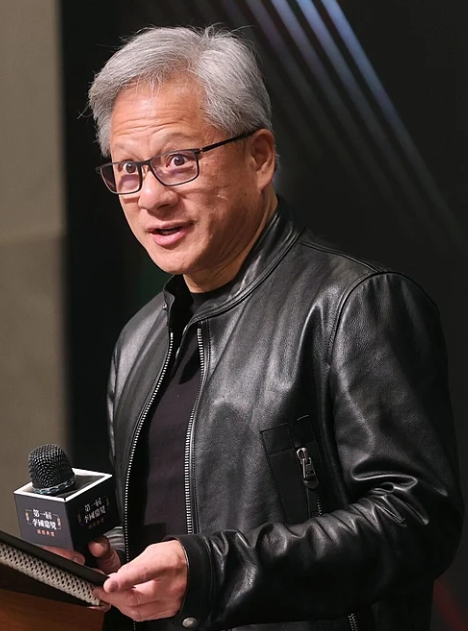
Huang’s Warning
Jensen Huang criticized the export restrictions, calling them a “mistake.” He warned that cutting off China would push the market toward domestic competitors like Huawei Technologies. “What harms China could oftentimes also harm America, and even worse,” he said. Huang emphasized the importance of rethinking policies to maintain global leadership in technology.
China’s Rapid Self-Sufficiency Drive
China is moving fast to reduce its dependence on foreign chips. Domestic companies are investing heavily to develop their own AI chips and manufacturing technologies. Huawei has already introduced an advanced AI chip roadmap and new clustering methods to replace NVIDIA’s products. Other tech giants like Alibaba Group Holding, Tencent Holdings, ByteDance, and Baidu are also pouring resources into semiconductor research and development.
A Powerful AI Talent Base
Huang highlighted that China has nearly 50% of the world’s AI researchers. He warned that excluding the country from US technology could slow down global AI progress. He also noted China’s strong work culture, provincial competition, and deep talent pool that enable it to close the gap with the US quickly. According to Huang, China is only “nanoseconds behind” in chipmaking.
Strategic Impact on the US
Analysts warn that the restrictions may hurt US companies more than expected. By pushing NVIDIA out of the Chinese market, the US may be allowing Chinese firms to strengthen their supply chains and become more independent. This could reduce American companies’ global competitiveness and limit their access to one of the world’s largest chip markets.
Event and Industry Reaction
Huang made these remarks on October 6 at a Citadel Securities event in New York, where he spoke with Konstantine Buhler of Sequoia Capital. A video of the interview was released the following week and widely reported by the South China Morning Post. His comments reflect growing concern in the tech industry about the long-term consequences of the US-China tech war.
The collapse of NVIDIA’s market share in China highlights the impact of geopolitical tensions on the global semiconductor industry. While the US aims to protect its national security, the strategy may also be boosting China’s technological independence. As the chip race accelerates, the world is watching closely to see whether policy shifts will ease tensions or deepen the divide between the world’s two largest economies.
Read More:


