

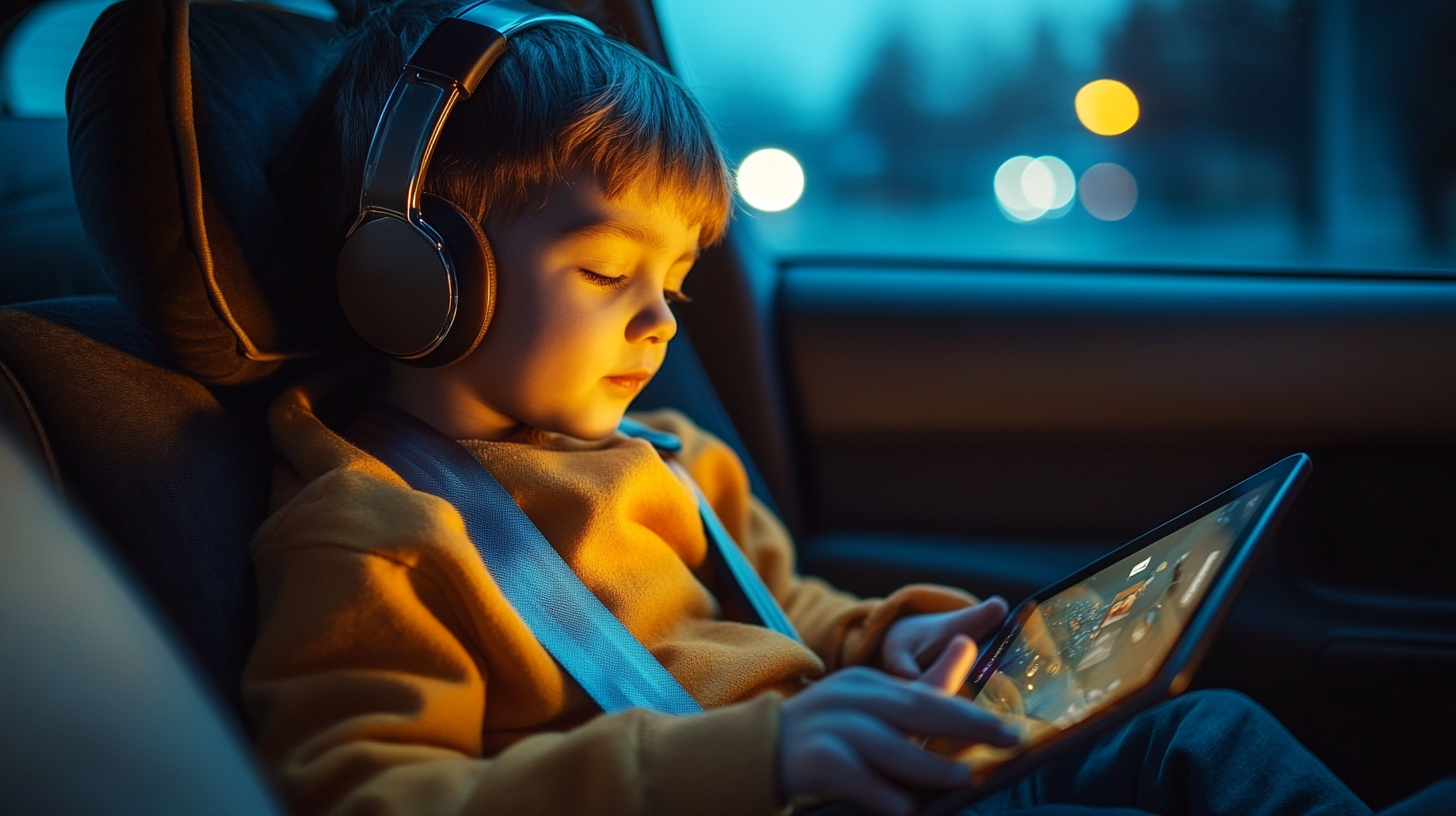
Consider before you buy headphones for Kids.
So, when deciding on the best headphones for children, we will look at the key areas where they need to perform. All sorts of factors come into play when choosing kid’s headphones. It can include build quality, design, and, believe it or not, sound.
What is a safe volume level for children?
The generally accepted safe volume level for children in decibels is 85db.
All the headphones we recommend below have a decibel limitation of at least 86db (decibels), which is well under the safe volume level for children supported by the W.H.O. (World Health Organization). Using one of these headphones should keep your children safe for years to come.
Listening to loud music for extended periods can have severe consequences for your kid’s hearing later in life. Given that your child’s hearing does not fully develop until their late teens, you will want to protect their hearing as best as possible early.
Don’t let your kids buy the first headphones that look cool! – Function greater than form
Let’s face it: children don’t care about a brand name; they want something cool-looking. Or, maybe they want something with their favorite cartoon character emblazoned on it. They might even like what the other kids at school are using, etc. (You know the routine)
The problem is that some headphones look designed for kids but offer little to no hearing protection. They may even lack other child-specific features that can be beneficial in the long run.
Protection of your child’s hearing, especially pre-teens, should always come before any wants or desires for a cool aesthetic design. Check the packaging and see the limits imposed on the volume, and if the company doesn’t provide much info, put them down and buy something else.
Durability matters
Children are notoriously tough on everything. Unfortunately, that means these kids’ headphones will have to endure a lot of abuse. Build quality is paramount, as you don’t want something that will break from a little bit of rough play.
We included some seriously tough options that should hold up better than most regular headphones. Many companies on the list must be credited for considering this when designing headphones for small children.
Just remember that no headphones can be wholly indestructible, and kids have the uncanny ability to test them to their limits.
Alternatives to Volume-Limiting Headphones
One option is to monitor their volume levels yourself; another is to use a volume lock app that restricts the device’s decibel level.
Another easier option is using headphones and earbuds with built-in volume reduction. That stops children from damaging their hearing. This saves you time checking yourself and prevents them from bypassing a parental lock on mobile devices.
The last option is the easiest because it is a set-and-forget solution that works with any device the headphones are plugged into.
How much should you spend On Headphones for your Children?
You can spend any amount of money on your child’s headphones. Expensive ones are nice, but let’s face it- your kids probably won’t be too kind to them, and accidents do happen.
Luckily, most of the headphones on this list are reasonably priced. We have tried to keep a strict budget of under $100, but you will find that most are far less than that.
Headphones vs. Earphones For Children
If you have older children, I would only advise you to consider earphones (in-ear headphones/earbuds). With fewer moving parts and a smaller footprint, they are less likely to get crushed or explode into a thousand tiny fragments when dropped.
However, earbuds and earphones represent a significant choking hazard for younger kids. For this reason, we have only included full-size on-ear or over-ear headphones for kids purely for safety reasons.
Wireless Headphones for Kids
While we still heavily recommend giving your children traditional wired headphones, we have included a few high-quality Bluetooth models. We know that more and more devices are removing the headphone jack and making future compatibility an issue. That said, there are several considerations when choosing a wireless option.
Consider that Bluetooth headphones need to be charged, which means that you, as a parent, will probably be in charge of keeping your kid’s headphones powered. A lack of charging facilities or downtime when charging may also hinder long trips.
Additionally, you are using more electrical components in its construction, which causes extra points where something can go wrong.
On the flip side, if you don’t have a headphone jack, these may be the best option to protect your children’s hearing and avoid using a dongle that introduces a choking hazard to young infants.


