

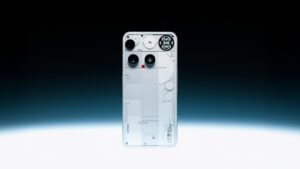
Nothing has launched the Phone (3) with a new Glyph Matrix interface, a Snapdragon 8s Gen 4 chip, and long-term software support. The phone runs Android 15 with Nothing OS 3.5 and includes new AI tools like Essential Search, Flip to Record, and Essential Space. It also promises five OS updates and seven years of security patches.
While the Phone (3) introduces bold design changes and practical software features, the competition in the premium smartphone space has intensified. Several brands have devices with better displays, camera systems, battery performance, and AI integration. Here are the top five alternatives to consider.
OnePlus 13
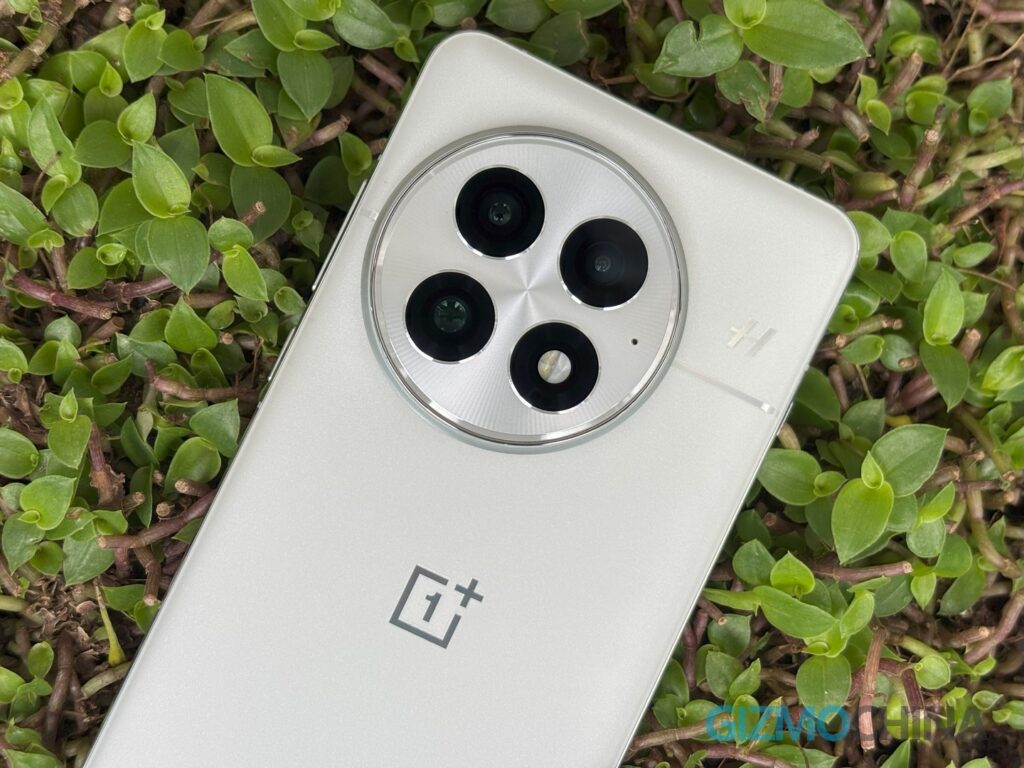
OnePlus launched the OnePlus 13 with a large 6.82-inch 2K+ AMOLED display that supports 4,500 nits of peak brightness. The display received DisplayMate A++ certification. The phone runs on the Snapdragon 8 Elite chipset and supports up to 24GB of LPDDR5X RAM and up to 1TB of UFS 4.0 storage.
OnePlus has retained its flagship camera setup with a 50MP Sony LYT-808 main sensor, a 50MP ultra-wide lens, and a 50MP periscope telephoto camera with up to 120x digital zoom. The company has added an advanced cooling system and improved antenna performance using the redesigned alert slider module.
The phone supports 100W SuperVOOC wired charging and 50W wireless charging for its 6000mAh battery. OnePlus has priced the base 12GB + 256GB model at $799, which undercuts Nothing’s top-end variant while offering more RAM, storage, and charging features.
| Preview | Product | |
|---|---|---|
| OnePlus 13| Smarter with OnePlus AI (12GB RAM, 256GB Storage Midnight Ocean) | Check Price on Amazon |

Please Note: When you buy something using the links in our articles, we may earn a small commission at no cost to you.
Samsung Galaxy S25
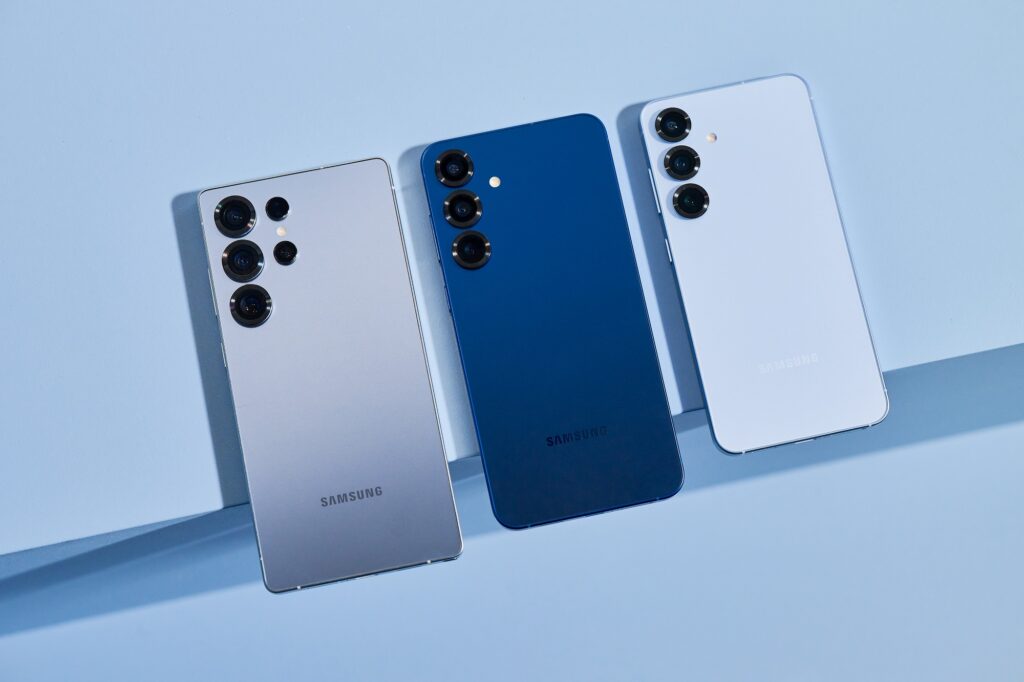
Samsung introduced the Galaxy S25 with a 6.2-inch FHD+ AMOLED display that supports a 120Hz refresh rate and up to 2,600 nits brightness. The device runs on the Snapdragon 8 Elite for Galaxy chipset and features deep integration with Google’s Gemini-based AI tools. Samsung has confirmed support for seven generations of Android and security updates.
The S25 includes a triple camera system with a 50MP main sensor, a 12MP ultra-wide lens, and a 10MP telephoto lens. Samsung continues to offer reliable performance and consistent camera results. The Galaxy S25 starts around $799.99 globally, positioning itself as a well-rounded alternative to the Nothing Phone (3).
| Preview | Product | |
|---|---|---|
| Samsung Galaxy S25 5G (Navy, 12GB RAM, 256GB Storage) | Check Price on Amazon |

Please Note: When you buy something using the links in our articles, we may earn a small commission at no cost to you.
Xiaomi 15
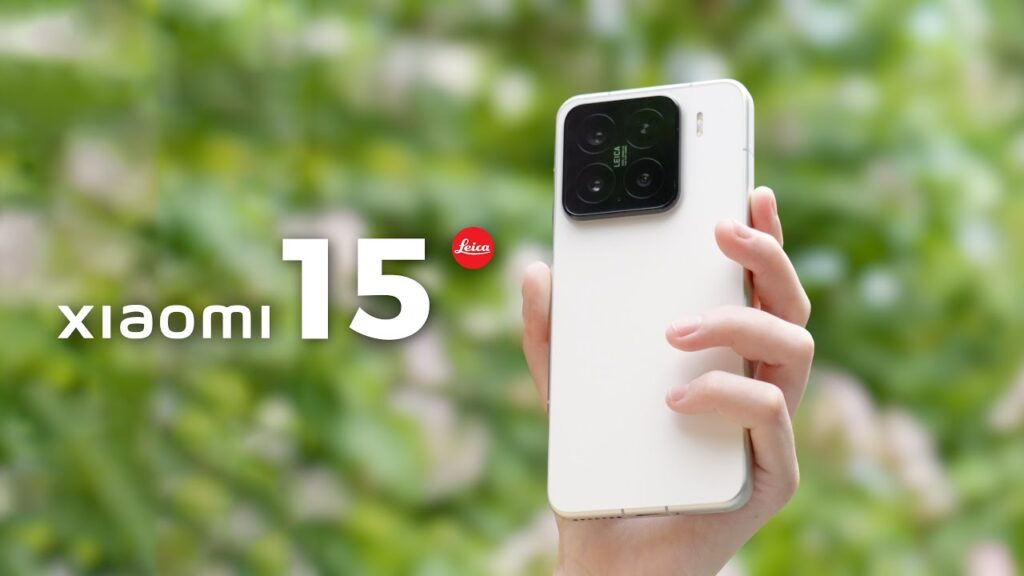
Xiaomi launched the Xiaomi 15 with a compact 6.36-inch 1.5K OLED LTPO panel that supports a peak brightness of 3200 nits and ultra-narrow bezels. The phone runs on the Snapdragon 8 Elite chip and includes the IceLoop Wing-type cooling system for better thermal performance.
The Xiaomi 15 features three Leica-branded 50MP cameras, including a 1/1.31-inch main sensor, an ultra-wide lens, and a 2.6x telephoto camera. The company has also added its new AISP 2.0 image processing engine and Leica Summilux optics for better low-light and portrait results.
Xiaomi has included a 5240mAh battery with 90W wired charging and 50W wireless charging support. The phone is priced at around $779 for the single 12GB + 512GB variant, offering excellent value in a smaller form factor.
| Preview | Product | |
|---|---|---|
| Xiaomi 15 (White, 12GB RAM, 512GB Storage) | Check Price on Amazon |

Please Note: When you buy something using the links in our articles, we may earn a small commission at no cost to you.
Apple iPhone 16
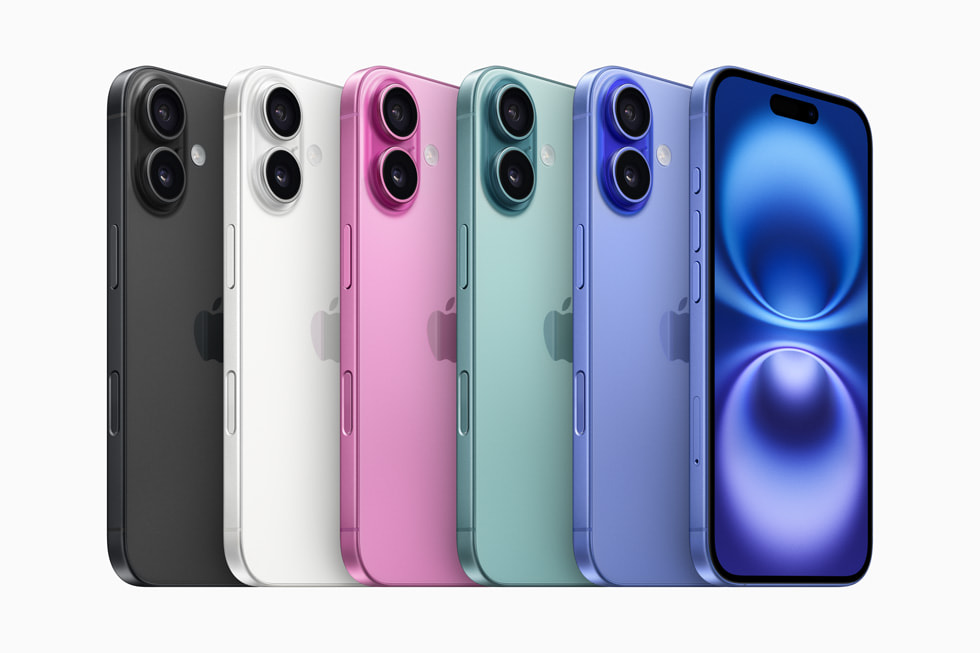
Apple announced the iPhone 16 and iPhone 16 Plus with the new A18 chip. These models include the Action Button and introduce a new Camera Control button with haptic feedback and gesture support. The iPhone 16 has a 6.1-inch OLED display while the Plus variant features a 6.7-inch panel, both with up to 2,000 nits of outdoor brightness.
The camera setup includes a 48MP main sensor with sensor-shift stabilization and a 12MP ultra-wide lens. Apple has added support for spatial video and spatial photos for the Vision Pro headset. New AI tools in iOS 18 enhance image cleanup and editing through Apple Intelligence.
The iPhone 16 starts at $799 for the 128GB model. With long-term iOS support and Apple’s ecosystem, it remains a solid alternative to Nothing’s offering.
| Preview | Product | |
|---|---|---|
| Apple iPhone 16 (128 GB) – Black | Check Price on Amazon |

Please Note: When you buy something using the links in our articles, we may earn a small commission at no cost to you.
Google Pixel 9 Pro XL
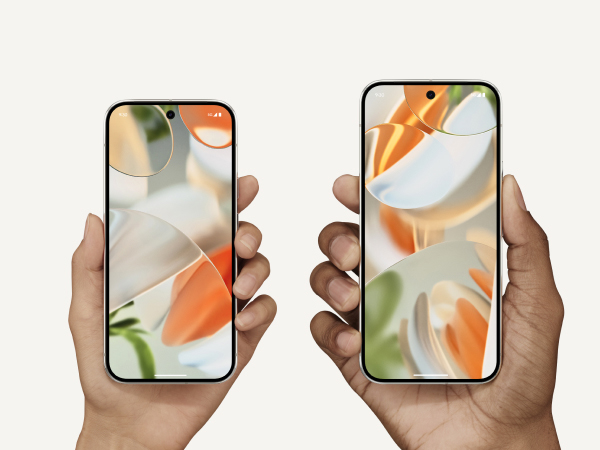
Google launched the Pixel 9 Pro XL with a 6.8-inch QHD+ LTPO AMOLED display that supports up to 3,000 nits brightness. The phone runs on the Tensor G4 chip and includes the Titan M2 security module. Google promises seven years of OS, security, and feature updates.
The camera setup includes a 50MP GNK main sensor, a 48MP ultra-wide camera, and a 48MP 5x periscope telephoto lens. The front camera uses a 42MP Sony IMX858 sensor with autofocus. The Pixel 9 Pro XL introduces AI-based features such as Zoom Enhance, Add Me, and Magic Editor with auto-framing.
The phone packs a 5060mAh battery with support for 37W wired and 23W wireless charging. It starts at $1,099. For users prioritizing photography, AI tools, and long-term support, the Pixel 9 Pro XL delivers a complete flagship experience.
| Preview | Product | |
|---|---|---|
| Google Pixel 9 (Porcelain, 256 GB) (12 GB RAM) | Check Price on Amazon |

Please Note: When you buy something using the links in our articles, we may earn a small commission at no cost to you.
Verdict: Should you still go for the Nothing Phone (3)?
There’s no doubt the Nothing Phone (3) brings a unique identity to the Android space. The new Glyph Matrix is fun, the Essential Key introduces useful AI-powered features, and its 5500mAh battery with 65W charging is solid. But when your rivals are offering better displays, stronger cameras, faster processors, and equally long software support, being “different” may not be enough.
If you want the most complete phone experience today, the OnePlus 13 and Pixel 9 Pro XL stand out. If AI productivity and long-term support matter most, the Galaxy S25 is the smarter pick. Xiaomi 15 is for compact power users, and the iPhone 16 remains a no-nonsense benchmark of stability and ecosystem lock-in.
The Nothing Phone (3) isn’t a bad phone by any means. But in 2025, competition is fierce, and “Nothing” has never had to prove itself more.
For more daily updates, please visit our News Section.
Stay ahead in tech! Join our Telegram community and sign up for our daily newsletter of top stories! 
The post Top 5 Nothing Phone (3) Alternatives You Can Buy appeared first on Gizmochina.


